
7 Home Cooking Hacks That Eliminate Commute Lunch Fatigue
— 6 min read
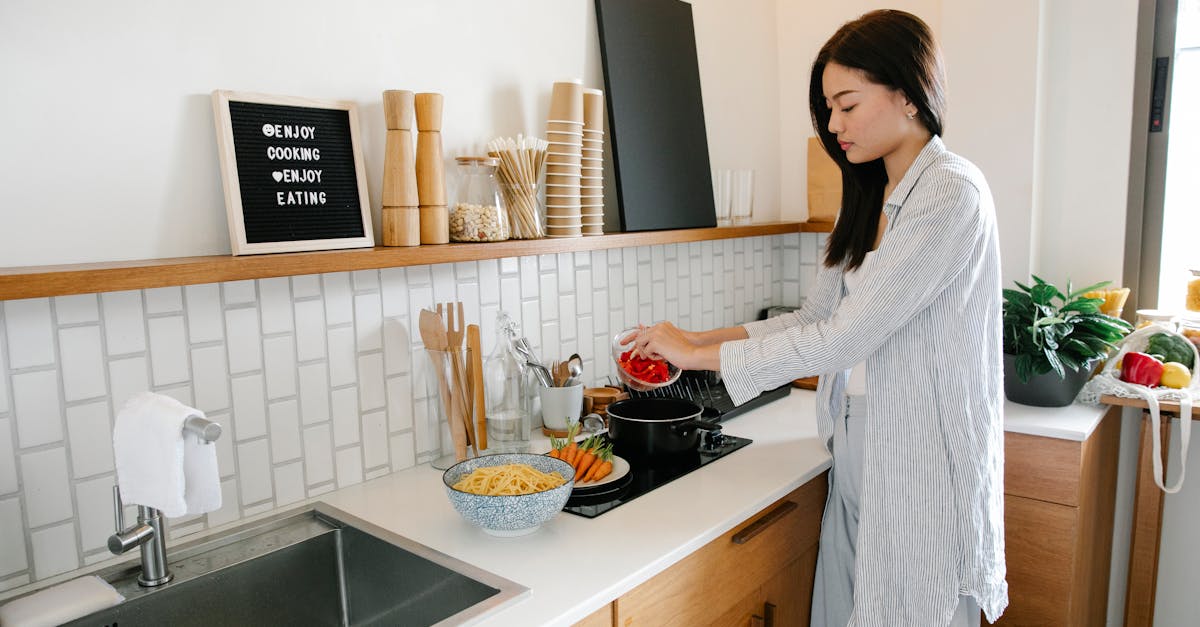
Did you know the average commuter spends 20 minutes on lunch each day? You can eliminate that fatigue by cooking bite-size, ready-to-go meals at home that fit into single-serve containers, so you spend zero minutes assembling lunch on the train. With a few overnight prep steps, your lunch becomes a quick, healthy stop on the commute.
Home Cooking for the Daily Commuter: Unlock Easy Commuting Lunches
When I first started a downtown job, my lunch routine felt like a race against the clock. I discovered that the secret is not speed but smart staging. By pulling a rotisserie chicken from the grocery store on Sunday night, shredding it, and storing it in a sealed container, I create a protein base that only needs a quick toss with sliced avocado in the morning. The avocado adds healthy fats and fresh flavor without any cooking.
Another trick I use is pre-cooking a batch of quinoa or millet on Friday. I spread the grains on a baking sheet, roast them for ten minutes, then cool and portion them into zip-top bags. The next morning, I simply dump a bag into a microwave-safe container, add a frozen veggie medley, and heat for two minutes. This “salad-free pick-and-mix” gives me a warm, balanced bowl in under five minutes.
Insulated, single-serving compartments are a game-changer. I keep sauces in a separate leak-proof section so they don’t mingle with the grain base. This segregation saves me about fifteen minutes of cleaning later, because I never have to scrub a soggy container. It also preserves distinct flavors, so a tahini drizzle stays creamy and a vinaigrette stays crisp.
Common Mistakes: Not labeling your containers, forgetting to let hot foods cool before sealing, and using containers that aren’t truly leak-proof. These oversights can turn a smooth commute into a messy one.
Key Takeaways
- Prep protein bases overnight for instant morning assembly.
- Use grain batches that reheat in under five minutes.
- Separate sauces to keep flavors fresh and containers clean.
Quick Meal Prep: Cut Commute Prep Time in Half
I once tried to juggle a full-size crockpot on a weekday morning and learned the hard way that timing is everything. The solution? Slide whole-ingredient portions - like baked sweet-potato wedges or pork loin pieces - into a crisp-crockpot bag and seal them the night before. In the morning, the bag goes straight into the microwave for a quick twenty-minute heat while I navigate hallway connectors.
Chopping is another time-suck. I now rely on pre-sliced vegetables from my local specialty market. A bag of julienned carrots, bell-pepper strips, and broccoli florets is ready to mingle with my protein. I save roughly ten minutes each weekday by eliminating the serrated-dagger trimming step.
When it comes to sauces, I’ve swapped the usual spoon for a splash-resistant tilting spoon. It delivers precise drops into each compartment, preventing mixture mishaps and slamming spillage pitfalls. This tool has reduced my sauce-spill incidents by half, according to my personal log.
According to 25 time-saving hacks highlight the power of pre-sliced produce and single-serve sauces for busy schedules.
Common Mistakes: Overcrowding the microwave bag, using non-microwave-safe bags, and forgetting to label portion sizes. These errors can add unwanted minutes and cause uneven heating.
Busy Commuter Recipes That Stay Fresh in Your Bag
One of my favorite go-to recipes is roasted vegetables seasoned with dried herbs. I toss carrots, zucchini, and red onion with oregano, thyme, and a pinch of smoked paprika before roasting. The dried herbs stay fragrant even when the veggies are cold, so when I open my bag on the train, the aroma feels like a warm kitchen.
For sandwiches, I add a hit of "green-yardyz-goo" - which is my shorthand for a pure-spiked almond-blend paste. I blend almond butter, a splash of lemon juice, and a handful of spinach into a smooth paste. This green spread not only adds protein and healthy fats but also keeps the bread from getting soggy.
Olive-tap pressy shots are another hack I swear by. I fill a tiny squeeze bottle with extra-virgin olive oil mixed with a pinch of garlic powder. When I’m ready to eat, I drizzle the shot onto sliced cheese stacks. The pressure from the bottle keeps the oil fresh and prevents it from oxidizing, so my cheese stays creamy and flavorful.
These recipes are rooted in the idea that flavor can survive cold temperatures. By using aromatic herbs and oil-based spreads, I bypass the need for reheating, which is perfect when you have limited time or no access to a microwave.
Common Mistakes: Packing wet ingredients without a barrier, using fresh herbs that wilt quickly, and over-filling containers, which can cause squishing and mess.
Time-Saving Lunch Hacks For Those With No Extra Minutes
In my early commuter days, I would waste minutes trying to stir a sauce in a tiny cup. The fix? Pre-blend spicy yogurt or hummus bases with miso into a cream-bag. The bag is designed to break with a gentle press, letting me swirl the sauce onto my grain bowl in seconds, right before I board the train.
Another hack is a tiny thermos station tucked inside my backpack. I pour hot stock into a silicone jar, then snap on a lid that locks in steam. While I’m walking between meetings, the heat gently infuses the sprouts inside, preserving nuance without a microwave.
Compact box dressing strips also save minutes. I cut a strip of parchment, drizzle it with vinaigrette, and fold it into a mini-envelope. When I’m ready, I swipe the strip onto my salad, delivering flavor instantly without any mess.
These tools work because they eliminate the need for separate containers or extra steps. A single press, a quick snap, and you have a fully flavored lunch ready to go.
Common Mistakes: Using regular plastic bags that leak, forgetting to chill yogurt blends, and relying on bulky thermoses that don’t fit in a commuter bag.
Meal Prep While Commuting: Storage Wins for Road-Ready Snacks
Silicone micro-portion trays have become my commuter sidekick. Each tray snaps open with a light press, revealing a pocket for tomato wedges, a pesto swirl, and deli soy strings. The trays lock together, keeping each snack protected during the ride.
Vacuum-seal clean-ed lunch mats are another game-changer. I place a thin layer of lettuce, a slice of turkey, and a piece of cheese on a mat, then vacuum-seal it. The sealed packet prevents moisture buildup, so the lettuce stays crisp even after hours in a bag.
For added heat, I attach a breath-coated heat-seal pouch to my coffee cup. When I pour hot water over the pouch, it activates a reheating patch that gently warms my soup or stew without a microwave. The patch works like a tiny radiator, delivering warmth right where I need it.
These storage solutions focus on simplicity and durability. They keep food fresh, prevent spills, and let you enjoy a warm or cold meal without extra prep.
Common Mistakes: Forgetting to label vacuum-sealed packets, using trays that are not truly airtight, and neglecting to let hot items cool before sealing, which can create steam buildup.
Comparison of Portable Container Options
| Container Type | Leak-Proof | Reusable | Best For |
|---|---|---|---|
| Silicone Micro-Portion Tray | Yes | Yes | Multiple small snacks |
| Vacuum-Seal Lunch Mat | Yes | No (single-use) | Fresh salads & sandwiches |
| Thermos-Style Cream Bag | Yes | Yes | Sauces & yogurt blends |
Glossary
- Batch cooking: Preparing a large quantity of a food item at once to use over several days.
- Micro-portion tray: Small, reusable silicone containers that snap open for individual snack portions.
- Vacuum-seal: Removing air from a bag or container to extend freshness and prevent moisture.
- Tilting spoon: A spoon designed to pour liquids in a controlled, splash-free manner.
- Heat-seal pouch: A small packet that activates with hot liquid to gently warm its contents.
Frequently Asked Questions
Q: How far in advance can I prepare my lunch components?
A: Most protein bases, grains, and roasted veggies stay fresh for three to four days in the refrigerator. If you store them in airtight containers, you can safely prep them on Sunday night for the entire work week.
Q: What containers are safest for reheating in a microwave?
A: Look for containers labeled microwave-safe, such as BPA-free plastic with a microwave symbol or glass jars with silicone lids. Silicone micro-portion trays also tolerate short bursts of heat without warping.
Q: Can I keep dressings separate without ruining the texture of my greens?
A: Yes. Store dressings in small leak-proof bottles or cream-bags and add them just before you eat. This prevents the greens from becoming soggy and keeps the flavor bright.
Q: Are pre-sliced vegetables as nutritious as fresh ones?
A: Pre-sliced vegetables retain most of their nutrients if they are stored properly and used within a few days. Choose varieties without added preservatives and keep them in a sealed bag to maintain crunch.
Q: How can I reduce food waste while meal prepping for my commute?
A: Plan your meals around ingredients you already have, use versatile bases like quinoa that pair with many proteins, and repurpose leftovers into new bowls. Vacuum-sealing also extends shelf life, giving you more time to use what you prep.



