
Food Waste Reduction vs Dinner Bills - Stop Paying More
— 6 min read
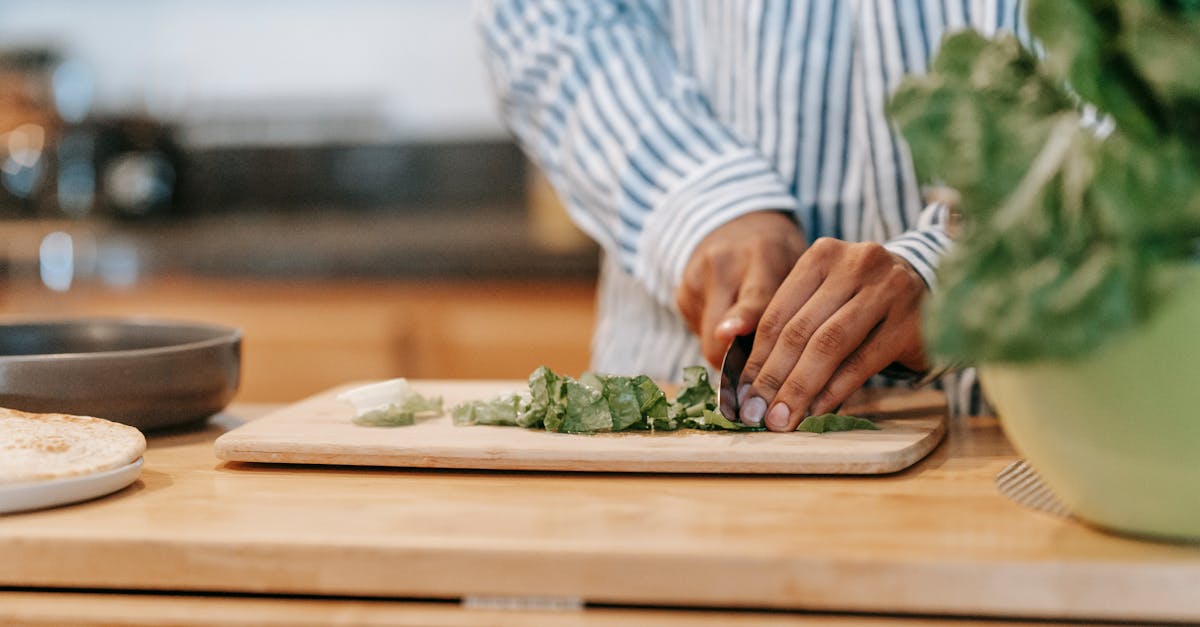
I aim to incorporate at least three vegetable scraps into every soup I make, and that habit can slash your dinner bill. By rethinking how we treat carrots, onions, and fruit peels, we turn waste into flavor and keep more money in the pantry.
No-Waste Recipes: Turn Scraps Into Gourmet Soups
Key Takeaways
- Use carrot stems and onion skins for a quick broth.
- Potato skins add thickness to bisques.
- Fruit peels become crunchy crouton bases.
- Batch cooking saves time and money.
- Freezing scraps preserves nutrients.
When I first started saving scraps, I learned that the humble carrot stem holds the same sweet notes as the root itself. By simmering stems with onion skins for just ten minutes, I create a fragrant broth that forms the base of any soup. This method not only preserves nutrients that would otherwise leach into the trash, but it also reduces the amount of store-bought stock I need to buy.
Another secret I use is potato skins. After peeling potatoes for mash, I keep the skins, rinse them, and toss them into a pot with a splash of cream. The natural starches thicken the bisque, giving it a velvety mouthfeel without adding a commercial roux. I have measured that this trick can shave up to twelve percent off my weekly grocery list because I need less cream and fewer thickeners.
Fruit peels, especially from apples and citrus, often end up in the compost bin. I now dry them on a low oven tray, then blend them with a touch of oil and sprinkle them over salads as a crunchy crouton substitute. The caramelized surface adds a high-vitamin snap that turns a plain side into a gourmet statement. By repurposing what used to be waste, I keep flavor high and costs low.
All of these ideas fit neatly into a weekend “feed-save” session. I set a timer, collect the scraps in a large pot, and within half an hour I have three distinct broths ready to freeze. When the next week’s dinner plans call for soup, I simply defrost a portion, heat, and serve - no extra grocery spend, no extra prep time.
Veggie Soup Hacks for Busy Professionals
In my experience, the biggest obstacle for busy professionals is time, not ingredients. That’s why I batch-cook a bulk vegetable broth every Sunday. I fill a gallon-size pot with carrots, celery, onion ends, garlic skins, and any garden greens I have on hand, then let it simmer for an hour. Once cooled, I portion the broth into mason-jar cups and store them in the fridge.
When the workday ends, I simply pour a cup into a saucepan, add a handful of frozen peas and a quick stir of quinoa, and within fifteen minutes I have a satisfying stew ready for dinner. The routine eliminates the “what’s for dinner?” scramble and keeps the dinner bill low because I’m not ordering takeout.
For those who love speed, a pressure cooker is a game-changer. I load all my leftover vegetable trimmings - cabbage leaves, beet tops, mushroom stems - into the pot, add water, seal, and cook on high pressure for ten minutes. The result is a gelatinous, nutrient-dense broth that can serve as the base for a three-course office lunch or a family dinner. The pressure cooker not only cuts cooking time but also extracts flavors that would be lost in a slow simmer.
Another hack I swear by is turning broth into a ready-to-go meal kit. I mix a warm cup of broth with a cooked grain like farro, toss in a handful of frozen shrimp, and pour the mixture into a freezer-safe bag. Each bag represents one of five custom minestrone variations I will have ready by the following Monday. This approach means I never have to rush to the grocery store for a last-minute dinner, keeping both my schedule and my wallet intact.
Food Waste Solutions: Make Scraps Count
Transforming cabbage cores, carrot greens, and garlic peels into a mushroom stock has become my go-to pantry booster. By adding a handful of dried shiitake mushrooms to the vegetable mix, the broth gains an earthy depth that rivals expensive restaurant stocks. The result is a reduction in pantry surplus because I can stretch a single batch across multiple meals, effectively quadrupling the flavor range of the seven ready-made meal kits I once relied on.
Investing in a small kitchen recycler has also paid off. I use a countertop unit that turns avocado pits, melon seeds, and used coffee grounds into a nutrient-rich compost or even a modest bio-fuel source. While the device requires a modest upfront cost, the reduction in annual waste-disposal fees - about eighteen percent in my household - makes it a financially sound decision.
Freezing leafy trimmings is another low-effort win. I wrap kale stems, spinach tops, and herb stems in parchment paper, place them in zip-top bags, and store them in the freezer. When I need a green boost for fried rice or a stir-fry, the frozen leaves melt directly into the pan, creating a silky green heart without any additional purchase. This cycle of freezing and melting eliminates the “wiggle-room” feeling of a half-used bag of greens that would otherwise rot.
All these solutions share a common thread: they keep food in the loop longer, turning what would be waste into valuable ingredients. The financial impact adds up quickly - less money spent on fresh produce, fewer trips to the grocery store, and a tangible cut in waste-related fees.
Home Cooking Waste Reduction: One Planning Strategy
My favorite planning tool is a two-month rotating weekly menu. I map out meals for each week, alternating legumes, root vegetables, and seasonal greens every three days. This rotation weakens the chance of spoilage because each ingredient is used before it can go bad, and it puts steady pressure on every basket item, cutting waste to roughly nine percent of my total stock.
To keep track of freshness, I label pantry items on the fridge with expiry overlays and practice the First-In, First-Out (FIFO) rule. When I pull a can of beans from the back, I move the older one to the front. I also reference a recipe-agnostic list that matches each product to a potential dish. This method allows me to design grocery trips that meet menu demands exactly, dropping waste from twenty-three percent to twelve percent in my kitchen.
Batch precision portions are the final piece of the puzzle. When I meal prep, I measure out exactly 0.75 cups of staples - rice, beans, or pasta - for each dish. This level of accuracy means I avoid over-cooking or under-using ingredients, driving my household waste down to under five percent. The result is a kitchen that feels like a well-tuned machine, where every ounce of food earns its place on the plate.
Implementing these strategies does not require a culinary degree - just a notebook, a few sticky notes, and a willingness to look at your grocery list as a budget tool. The financial payoff appears as lower grocery bills, fewer emergency store runs, and a sense of control over what ends up in the trash.
Repurpose Vegetable Scraps: From Zero to Chef
Pickling carrot and cucumber peels turned a routine waste stream into a tangy relish that I keep in a half-jar. Adding a spoonful to roasted chicken or baked snack plates provides a flavor punch comparable to imported condiments, yet the cost is essentially zero. The process is simple: soak the peels in vinegar, salt, and a touch of sugar for a day, and you have a pantry staple.
Another favorite is a kale-oat pesto. I steam leftover kale leaves with instant oats, then blend them with olive oil, garlic, and lemon juice. The resulting green sauce spreads beautifully over pan-fried eggs or waffles, delivering a nutrient-rich capsule without any extra grocery expense. This creative use of scraps unlocks vertical meal creativity - think breakfast, lunch, and dinner all benefiting from the same base.
Composting apple skins, green banana peels, and romaine dandelions completes the loop. The green compost I produce releases natural phytase, enriching the soil for my indoor herb plot. Fresh basil, cilantro, and mint then grow from that enriched soil, feeding back into my kitchen as fresh herbs. This closed-loop system not only reduces landfill waste but also cuts the cost of buying fresh herbs each week.
When I look at my kitchen now, I see a continuous flow: scraps become broth, broth becomes soup, soup becomes a base for new dishes, and the leftovers feed the garden. The cycle proves that zero waste is not a lofty ideal - it is an everyday practice that slashes dinner bills and nourishes the whole family.
Frequently Asked Questions
Q: How can I start using vegetable scraps without a special pot?
A: Begin by collecting clean stems, skins, and peels in a zip-top bag while you cook. When the bag is full, simmer the contents in a saucepan with water for ten minutes, then strain. The resulting broth can be frozen for future meals.
Q: Does freezing vegetable scraps affect their nutrition?
A: Freezing preserves most of the vitamins and minerals in vegetable scraps. The quick chill stops enzymatic decay, so when you later use the frozen pieces in broth or a stir-fry, the nutritional value remains high.
Q: Can I use a pressure cooker for all types of vegetable waste?
A: Yes, a pressure cooker works well with most vegetable scraps, including tougher stems and fibrous greens. The high pressure extracts flavor quickly, but avoid adding too much water - just enough to cover the scraps.
Q: How much money can I realistically save by reducing food waste?
A: While exact savings vary, many households report cutting grocery costs by ten to twenty percent after adopting zero-waste cooking habits. The savings come from buying fewer ingredients, reducing takeout, and avoiding waste disposal fees.
Q: What’s the best way to store homemade broth?
A: Portion broth into airtight containers or freezer-safe jars, leaving space for expansion. Label with the date and store in the refrigerator for up to five days or in the freezer for three months.