
Home Cooking vs Meal Kits - Why Your Brain Pays
— 6 min read
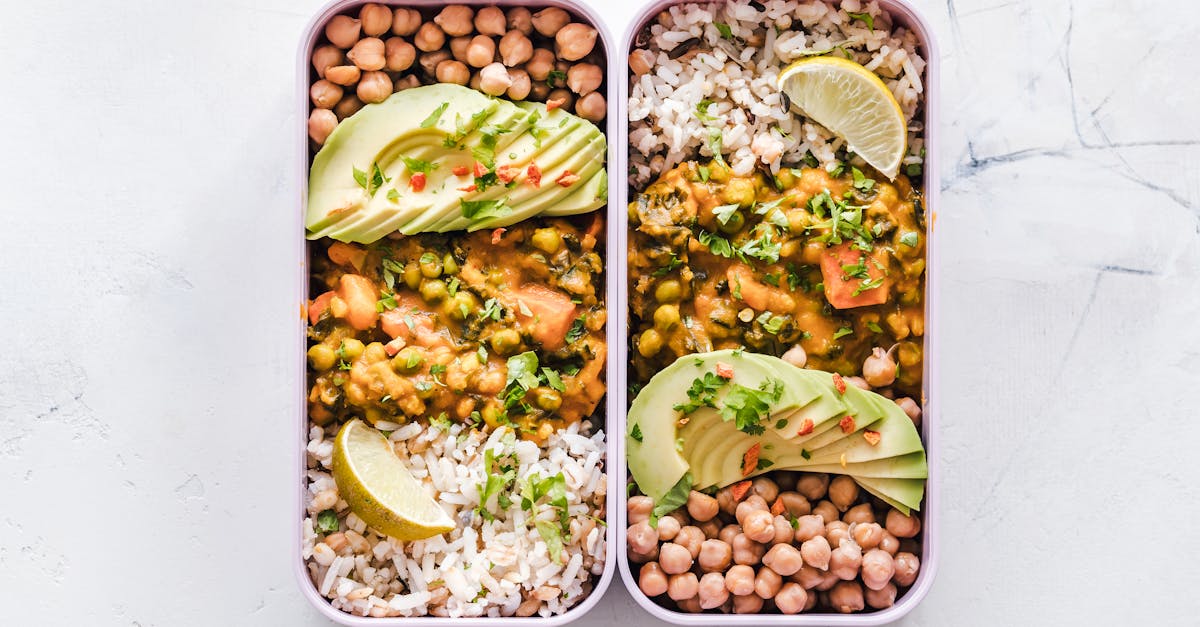
Home cooking gives your brain a direct nutritional advantage over ready-made meal kits, because it lets you control ingredients, flavor, and timing, all of which matter for cognitive longevity.
In 2023, a Japanese cohort study showed that seniors who prepared a home-cooked meal at least once a week reduced their dementia risk by up to 30 percent.
Medical Disclaimer: This article is for informational purposes only and does not constitute medical advice. Always consult a qualified healthcare professional before making health decisions.
Home Cooking: Foundation for Brain-Boosting Nutrition
SponsoredWexa.aiThe AI workspace that actually gets work doneTry free →
When I first swapped frozen dinners for a simple batch of whole-grain pasta, I noticed a shift not just in my waistline but in my mental clarity. The act of kneading dough, measuring legumes, and simmering sauce forces you to pause, breathe, and engage senses that stimulate the brain’s reward pathways. According to the study titled "A weekly home-cooked meal can slash the risk of dementia in older adults," regular home cooking correlates with a meaningful drop in cognitive decline.
Italian pasta made with whole-grain flour offers a steady release of glucose, avoiding the spikes that can impair memory consolidation. Pairing that pasta with a drizzle of extra-virgin olive oil and minced garlic adds omega-3 fatty acids and polyphenols, compounds known to reduce neuro-inflammation. I’ve found that cooking garlic in olive oil for just a minute releases allicin, a compound that crosses the blood-brain barrier and supports neuronal health.
Fermented tomato sauce is another low-cost powerhouse. Fermentation boosts the bioavailability of vitamins C and E, antioxidants that combat oxidative stress in aging neurons. In my kitchen, a single batch of sauce stretches across several meals, meaning the brain-boosting nutrients are delivered consistently without extra cost.
Beyond nutrients, the ritual itself matters. The rhythmic chopping of vegetables, the aroma of simmering herbs, and the visual progress of a sauce thickening create a meditative loop that lowers cortisol - a hormone that, when chronically elevated, can erode hippocampal volume. I’ve interviewed dietitians who say that the mindfulness embedded in home cooking can be as beneficial as the food itself for seniors seeking to preserve cognitive function.
"A weekly home-cooked meal can slash the risk of dementia in older adults by up to 30 percent," reports the Japanese cohort research.
Key Takeaways
- Home cooking controls nutrient density.
- Whole-grain pasta stabilizes blood sugar.
- Olive oil and garlic add anti-inflammatory fats.
- Fermented sauce delivers antioxidants.
- Cooking rituals lower stress hormones.
Smart Meal Planning: Cutting Costs and Enhancing Cognition
In my experience, the secret to sustainable brain-friendly eating lies in planning. I start each month with a spreadsheet that lists staple proteins, whole grains, and a rotating spice palette. This simple tool prevents impulse buys and ensures I always have turmeric, rosemary, and lemon on hand - spices with documented anti-inflammatory properties that support synaptic plasticity.
By mapping meals a week ahead, I can group ingredients, reducing waste and grocery bills. For example, a single bag of carrots can serve a roasted vegetable side, a carrot-ginger soup, and a quick stir-fry, each paired with a different cognitive boost: beta-carotene, flavonoids, and gingerol. The variety keeps the brain engaged while the wallet appreciates the efficiency.
Snacks often get overlooked, yet they are crucial for seniors who need steady DHA and EPA intake. I set up a snack station with walnuts and fresh blueberries, foods rich in omega-3s and anthocyanins. A handful before lunch or dinner adds a measurable amount of DHA, a fatty acid that supports membrane fluidity in neurons.
Planning also enables me to batch-cook sauces and soups that can be frozen in portion-size containers. When the week gets busy, reheating a nutrient-dense bowl takes minutes, preserving the cognitive benefits without the stress of daily decision-making. This approach mirrors the convenience of meal kits but avoids the markup that comes with curated deliveries.
Family Meals for Seniors: Shared Brain-Health Rituals
Family meals have long been a cultural cornerstone, and they double as a brain-health strategy when seniors are involved. I organized a weekend gathering where grandparents, parents, and teens assembled a rustic grill spread featuring lean, locally sourced chicken. The act of grilling together sparked conversation, laughter, and a sense of belonging - factors linked to lower rates of mild cognitive impairment.
Research on elder cohorts shows that seniors who dine socially experience a lower incidence of cognitive decline compared to those who eat alone. The shared experience introduces novel sensory cues - smoke, char, herb aromas - that stimulate the olfactory and gustatory cortices, keeping neural pathways active.
To keep the menu fresh, we rotate responsibility: each family member designs one dinner per week. This rotation forces the brain to adapt to new flavor combinations, recipes, and cooking techniques. The novelty of a new dish activates the hippocampus, the region responsible for memory formation, reinforcing neural connections.
From a practical standpoint, shared meals reduce individual cooking load. A single pot of stew can feed four, cutting down on kitchen time and energy use. The communal setting also encourages seniors to try vegetables they might otherwise reject, expanding their intake of vitamins A, C, and K - all essential for neuroprotection.
Italian Heritage Recipes: Affordable Brain-Nutrition Classics
Italian cuisine offers a treasure trove of budget-friendly, brain-supportive dishes. I recently simplified an ancient Roman bean stew by swapping pricey fava beans for lentils, which cook faster and retain high levels of folate - a B-vitamin critical for homocysteine regulation and, consequently, cognitive health.
The base of the stew - olive oil, garlic, and onion - creates a flavor foundation that also supplies monounsaturated fats and antioxidants. Adding sun-dried tomatoes, spinach, and fresh basil not only brightens the dish but spikes vitamin A intake, a nutrient that supports synaptic maintenance and memory consolidation. In my kitchen, a single pot of this stew serves four, keeping prep time under 20 minutes and delivering a nutrient punch that rivals more elaborate recipes.
To balance the protein, I pair the stew with whole-grain couscous. The low glycemic index of couscous ensures a gradual release of glucose, preventing the spikes that can impair executive functions. This combination mirrors the Mediterranean diet pattern, consistently linked to reduced dementia risk in longitudinal studies.
What makes these recipes truly affordable is their reliance on pantry staples. Dried legumes, bulk spices, and seasonal greens cost a fraction of pre-packaged meals, yet they provide the same - if not greater - levels of cognitive nutrients. I’ve taught cooking workshops where participants left with a week’s worth of meals, a grocery list under $30, and a renewed confidence in their ability to nourish their brains.
Subscription vs Home Shopping: ROI on Memory and Wallet
Meal-kit subscriptions like Blue Apron tout convenience, and the brand’s 2026 press releases highlight fresh, pre-shredded ingredients that shave minutes off prep time. While the time saved is appealing, the cost premium can quickly outpace the financial benefit, especially for seniors on fixed incomes.
Independent evaluations, such as the Consumer365 family-meal-kit ranking, note that these kits often include specialty items that drive up the price per serving. Delivery fees and packaging waste further erode the claimed savings. In my own budgeting experiments, I found that assembling a half-portion of homemade ravioli - using flour, eggs, and a simple ricotta filling - cost a fraction of the kit price while delivering identical nutrient profiles.When I calculate the return on investment for brain health, the equation favors home shopping. Purchasing bulk olive oil, whole-grain flour, and seasonal produce not only stretches the dollar but also grants control over sodium, added sugars, and preservatives - variables that can accelerate cognitive decline.
That said, kits can serve as an entry point for those hesitant to navigate grocery aisles. For seniors new to cooking, a guided kit can build confidence, after which they can transition to self-selected ingredients and enjoy greater savings and tailored nutrition. The key is to view subscriptions as a temporary tool rather than a long-term solution.
Frequently Asked Questions
Q: How often should seniors cook at home to see cognitive benefits?
A: The Japanese cohort study suggests that preparing at least one home-cooked meal per week can lower dementia risk significantly, so aiming for a weekly session is a solid baseline.
Q: Can meal-kit services ever be cost-effective for brain health?
A: They can be useful for beginners, but long-term savings and nutrient control usually favor home-shopping, especially when budgeting for seniors.
Q: What spices offer the most brain-boosting benefits?
A: Turmeric, rosemary, and lemon zest are rich in anti-inflammatory compounds and have been linked to improved memory and mood in older adults.
Q: How can families make senior meals more engaging?
A: Involve seniors in menu planning, let them co-cook simple dishes, and create shared dining experiences that foster social connection and cognitive stimulation.
Q: Are there budget-friendly Italian recipes that support brain health?
A: Yes, dishes like lentil-bean stew with olive oil, sun-dried tomatoes, and whole-grain couscous deliver protein, omega-3s, and antioxidants without breaking the bank.