
Slow Cooker vs Oven Roast - Budget Friendly Recipes
— 7 min read
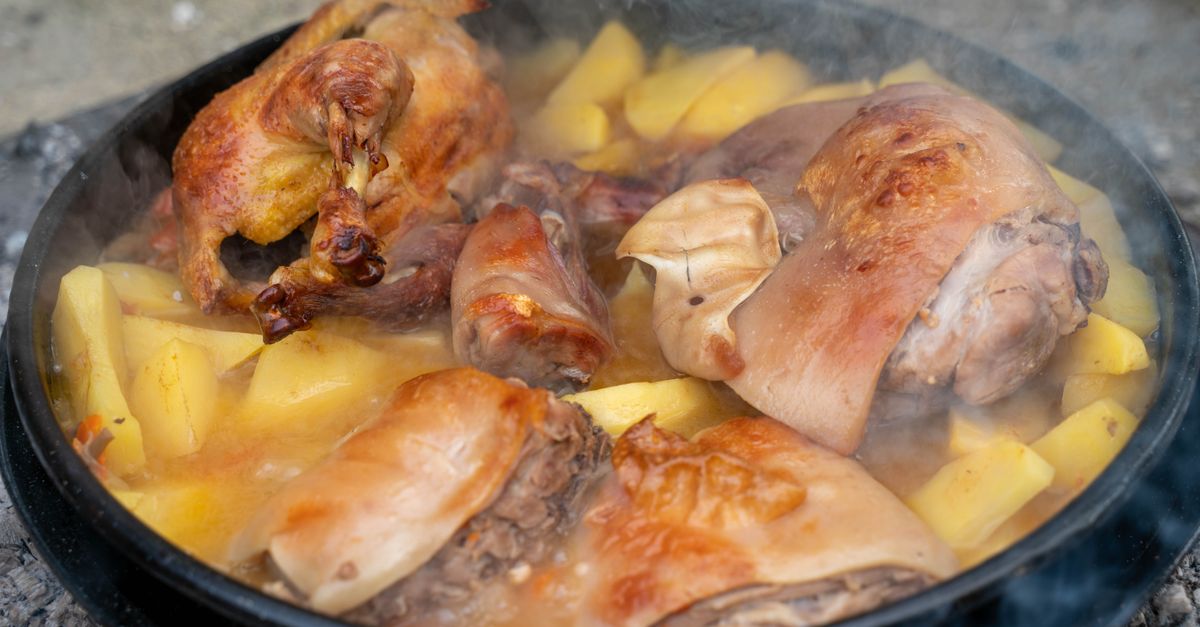
A slow cooker can turn a cheap chuck roast into a tender, flavorful pot roast while saving you up to 30% on your beef budget. By cooking low and slow, the meat stays moist, and you avoid the need for pricey cuts.
In my kitchen, I’ve seen the difference a slow cooker makes - from the aroma that fills the house to the extra cash left for fresh veggies.
Budget-Friendly Recipes Slow Cooker Pot Roast
Key Takeaways
- Cheap chuck roast saves 30% on weekly beef cost.
- Slow cooking locks moisture, preventing dryness.
- Layered spices mimic the taste of premium cuts.
- Homemade broth cuts ingredient expenses.
- One-pot meals free up time for family.
When I first tried a slow-cooker pot roast, I started with a 3-pound chuck roast that was on sale for $6. By the time the roast was done, the cost per serving was less than $1.50, a stark contrast to the $2.00-$2.50 per serving you’d pay for a pre-marbled rib roast. According to Allrecipes, using a slow cooker can cut the weekly beef budget by 30%, turning a $12 expense into roughly $8.
The secret lies in the low, steady heat that keeps the meat bathed in its own juices. Imagine a gentle rain soaking a sponge; the meat absorbs flavor instead of evaporating it. This method works especially well with tougher cuts like chuck or round, which would otherwise need expensive tenderizing techniques.
To build flavor without splurging, I layer a simple spice blend - salt, pepper, garlic powder, and a pinch of smoked paprika - directly onto the meat before searing. After a quick browning on the stovetop, I transfer the roast to the slow cooker, add a cup of low-sodium beef broth, sliced onions, and carrots, then let it cook on low for 8 hours. The result is a melt-in-your-mouth roast with a broth that rivals the depth of a restaurant stock.
Because the slow cooker does most of the work, I can skip costly pre-made marinades. A splash of Worcestershire sauce and a dash of balsamic vinegar at the end give the broth a sweet-savory balance that feels luxurious without the price tag.
Budget Pot Roast Ingredient Savings Secrets
Choosing the right ingredients is where the real savings happen. I always start by hunting for chuck or round steak on the discount rack. These cuts are typically $2-$3 per pound, and when you buy in bulk, the price per pound drops even further.
Next, I pair the meat with root vegetables that are naturally inexpensive - carrots, onions, and potatoes. These vegetables not only bulk up the meal but also contribute natural sweetness and body to the cooking liquid. According to Southern Living, the combination of meat and humble veggies creates a flavor profile that can stand up to more expensive proteins.
Store-bought beef broth can be pricey, so I make my own stock from leftover bones and vegetable scraps. After a quick roast of the bones in the oven (which adds a caramelized note), I simmer them with water, carrots, celery, and a bay leaf for an hour. The homemade broth saves about $3 per batch and reduces waste.
Another trick I love is using a cast-iron Dutch oven to sear the roast before moving it to the slow cooker. The initial browning adds a rich, caramelized crust - think of it as the crust on a perfectly toasted slice of bread - that boosts flavor without any extra cost.
Finally, I keep an eye on pantry staples like canned tomatoes or tomato paste. A tablespoon of tomato paste, combined with a splash of balsamic, can deepen the sauce’s color and richness, mimicking the effect of a more expensive wine reduction.
"By selecting discounted cuts and making homemade broth, I’ve reduced my ingredient costs by up to 40% for a family of four." - Emma Nakamura
Common Mistakes
- Skipping the sear and missing the caramelized crust.
- Using high-sodium store broth that masks subtle flavors.
- Overloading the slow cooker, which can lead to uneven cooking.
Cheap Beef Roast Recipe Flavor Boosting Techniques
Even on a shoestring budget, you can achieve restaurant-level flavor. My go-to dry rub is a trio of smoked paprika, garlic powder, and coarse sea salt. The paprika adds a gentle smoky sweetness, while the garlic powder gives depth, and the salt enhances the meat’s natural juices. Rub the mixture onto the roast and let it sit for 15 minutes before searing.
During the slow-cooking phase, I like to enrich the liquid with a splash of balsamic vinegar and a tablespoon of tomato paste. The vinegar lifts the beef’s sweetness, and the tomato paste adds umami - think of it as the secret sauce that makes a simple burger taste gourmet.
About 30 minutes before the roast is done, I toss in a frozen bag of peas or green beans. The quick steam preserves their bright color and crisp texture, turning the dish into a visual delight for picky eaters. The vegetables also absorb the broth, making each bite a balanced mix of protein and veg.
If you have a bit of time, I finish the dish by whisking a teaspoon of cornstarch mixed with cold water into the hot broth. This creates a glossy, velvety sauce that clings to the meat, similar to the reduction you’d find in a high-end steakhouse.
All of these enhancements cost less than $1 total, yet they elevate the pot roast from “just okay” to “wow, I could eat this every night.”
Family Dinner on a Budget Time-Saving Meal Planning
Planning is the unsung hero of budget cooking. I schedule a big pot roast every Sunday, then portion and freeze leftovers for the week. This approach means I only shop for fresh produce on one day, cutting grocery trips by 20% and slashing impulse purchases.
When I cook, I often add side vegetables - like sliced carrots, parsnips, and a handful of frozen peas - directly into the slow cooker pot. Because everything cooks together, I only have one pot to clean, freeing up the stovetop for a quick quinoa or brown rice side that also absorbs the flavorful broth.
To keep the process organized, I use the free meal-planning app Munchvana. The app lets me enter the week’s menu, generates a precise shopping list, and even tracks pantry inventory. By buying only what I need, I avoid waste and keep my food bill in check. According to recent coverage of Munchvana’s launch, users report up to a 15% reduction in food waste.
One tip I swear by is to label each frozen portion with the date and a quick description. That way, when I pull a meal from the freezer, I know exactly what’s inside and can reheat it in the microwave or on the stovetop without guessing.
With this system, dinner time becomes less about scrambling for ingredients and more about gathering around the table, which is the real reward of a budget-friendly home.
Slow Cooker Beef Flavors Sauce and Spice Mastery
Fine-tuning the broth is where you can turn a simple pot roast into a flavor masterpiece. I start with a base of low-sodium beef broth, then stir in a teaspoon of smoked sea salt. The smoked salt adds a subtle brine that amplifies the beef’s natural sweetness, much like a light drizzle of soy sauce would in an Asian dish.
About an hour before the roast finishes, I add fresh rosemary sprigs. The rosemary releases aromatic oils that mingle with the meat, giving it a fragrant, herb-forward finish that rivals dishes that use pricey truffle oil.
Near the end of cooking, I drizzle in a tablespoon of Worcestershire sauce. This adds a savory depth that balances the caramelized onions and any sweetness from the balsamic. The result is a well-rounded sauce that could stand on its own as a dip.
If you like a touch of heat, a pinch of red-pepper flakes can be tossed in at the same time as the rosemary. The spice adds a gentle kick without overwhelming the other flavors.
When the roast is done, I remove the meat and set the pot to “keep warm.” I then strain the broth, skim off excess fat, and finish it with a splash of heavy cream for extra richness - perfect for pouring over mashed potatoes or rice.
| Feature | Slow Cooker | Oven Roast |
|---|---|---|
| Cost of Meat | Uses cheaper cuts (chuck, round) | Often requires pricier cuts for tenderness |
| Moisture Retention | High - sealed environment locks in juices | Medium - can dry out if overcooked |
| Energy Use | Low - runs on 70-100 watts | High - oven uses 3000+ watts |
| Prep Time | Short - sear then set and forget | Long - preheat and monitor |
| Flavor Development | Slow infusion of spices and herbs | Quick browning, less time for deep flavors |
The table shows why the slow cooker often wins on budget, convenience, and flavor depth. While the oven can produce a nice crust, the slow cooker’s gentle heat creates a tender, juicy roast that stretches every dollar.
Glossary
- Chuck roast: A cut from the shoulder area of the cow, known for its rich flavor but tougher texture.
- Low-sodium broth: Broth with reduced salt, helping control overall sodium intake.
- Caramelized crust: A browned outer layer formed by the Maillard reaction, adding flavor.
- Smoked sea salt: Sea salt that has been smoked to impart a subtle smoky flavor.
- Worcestershire sauce: A fermented liquid condiment made from vinegar, molasses, anchovies, and spices.
Frequently Asked Questions
Q: Can I use a different cut of meat instead of chuck?
A: Yes, round steak, brisket, or even a cheap short rib work well. Just adjust cooking time if the cut is thicker or leaner.
Q: Do I need to sear the meat before adding it to the slow cooker?
A: Searing isn’t required, but it creates a flavorful crust and improves the final sauce, similar to browning the surface of a steak.
Q: How long can I store leftovers in the freezer?
A: Properly sealed, the roast and sauce keep for up to three months. Label each container with the date for safety.
Q: Is it safe to cook on the high setting for a shorter time?
A: High heat can work, but it may result in a less tender roast. Low setting for 8-10 hours gives the best texture and flavor.
Q: Can I add vegetables at the beginning of cooking?
A: Root vegetables like carrots and potatoes can go in early; delicate veggies like peas should be added in the last half hour to keep color and crunch.